Description Old Town Hall
Right in the heart of Frickenhausen am Main
The Old Town Hall
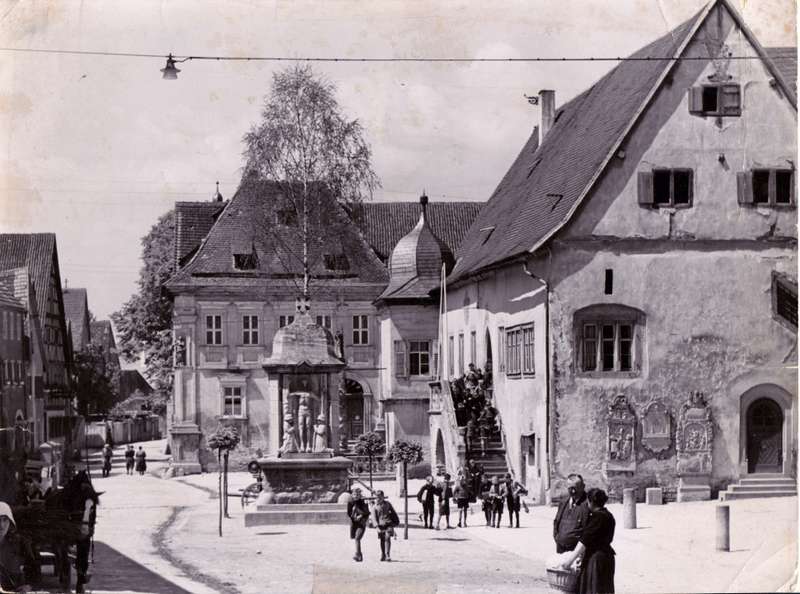
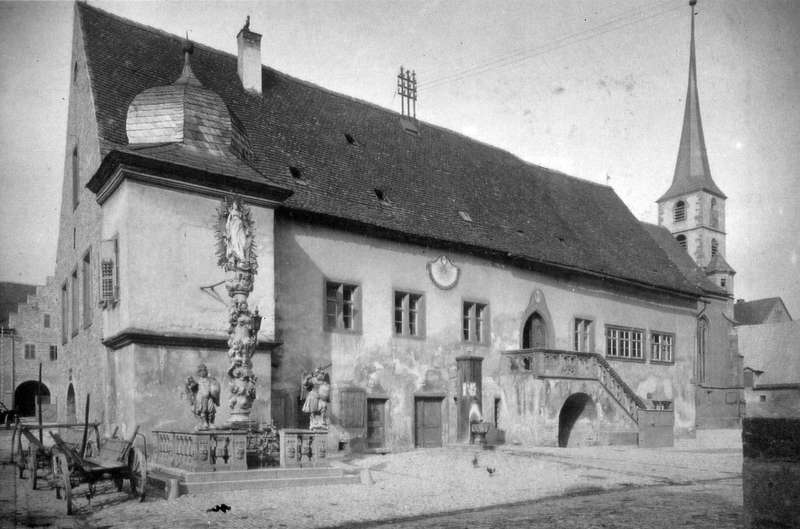
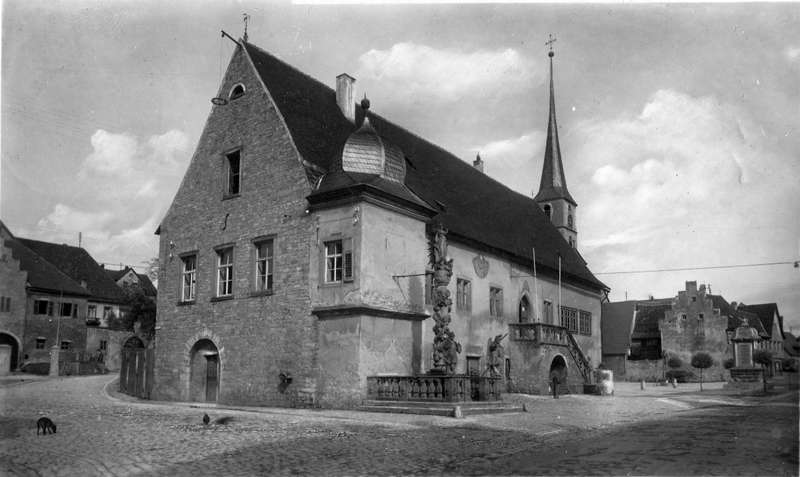
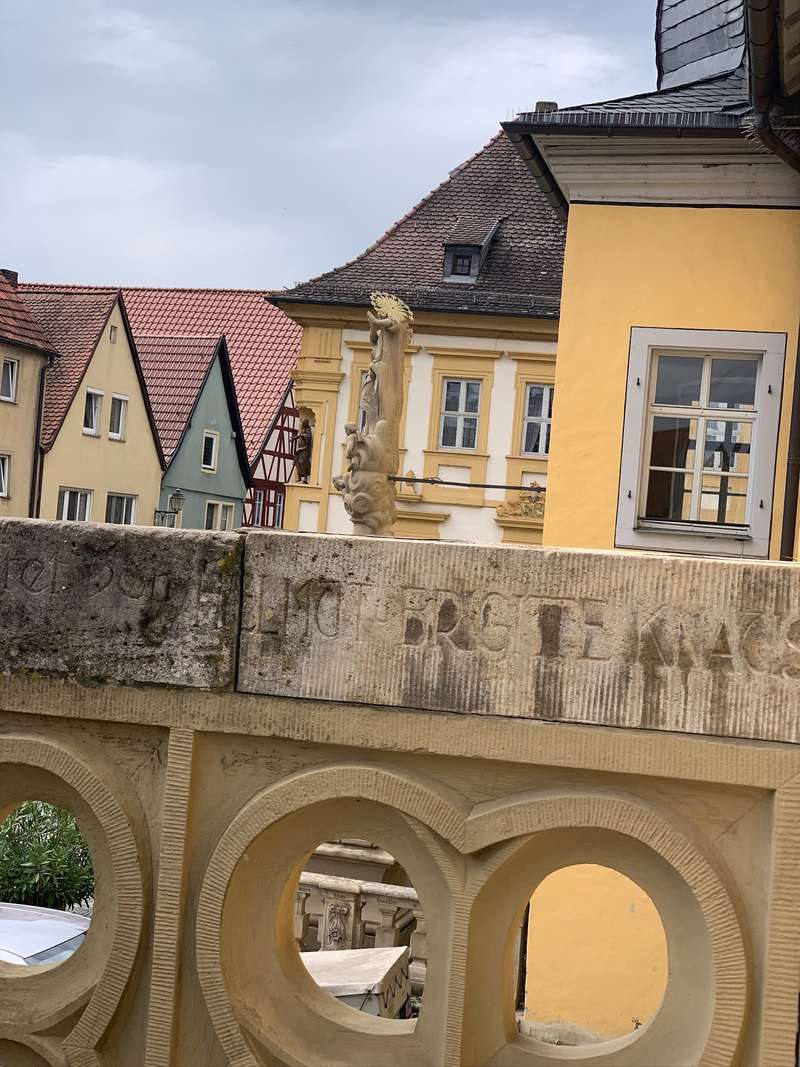
In the very heart of Frickenhausen am Main, surrounded by historic alleyways, vineyards, and the imposing backdrop of a grand church, stands the Old Town Hall – a building with more than five centuries of history. As early as 1476, the property, then still known as the “Saalhof,” was sold by a Baron of Limburg to the community for 1,000 guilders.
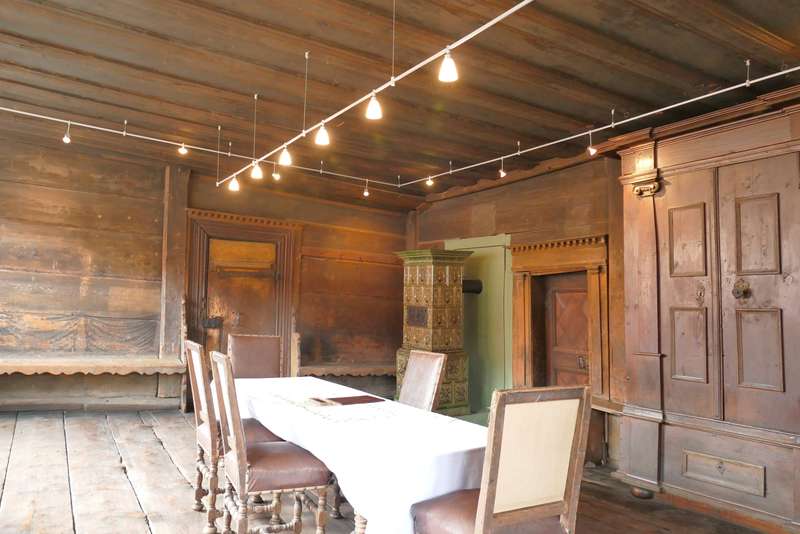
Even before that, however, it had already served as a place of justice. Here, justice was quite literally administered, often in direct connection with the church: a doorway once led from the council chamber straight into the church itself, allowing judgments to be made under the eyes of God. Before delivering a verdict, the mayor and his councillors would enter the church to reflect once more.
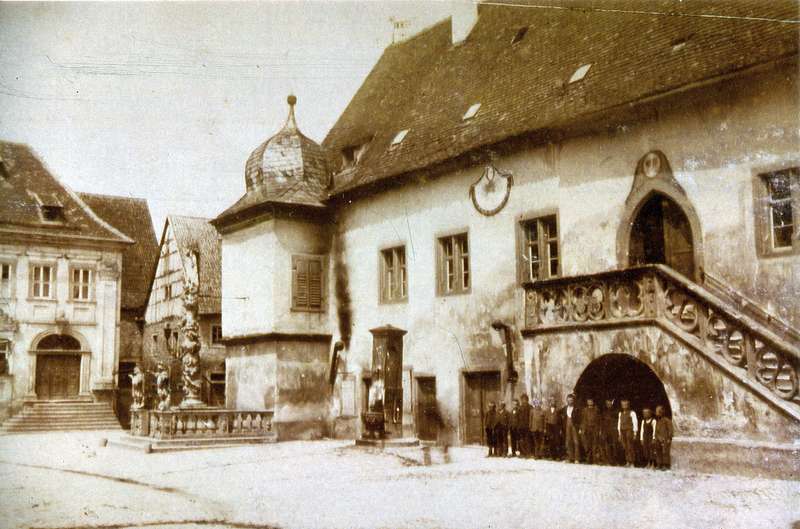
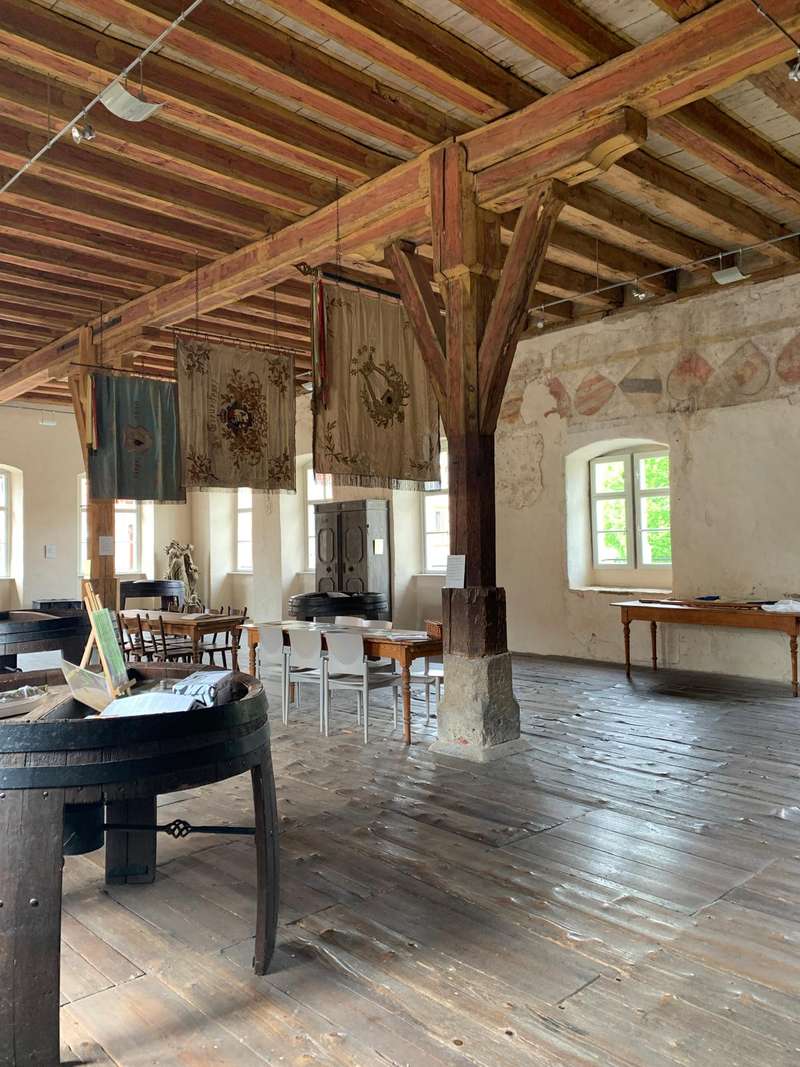
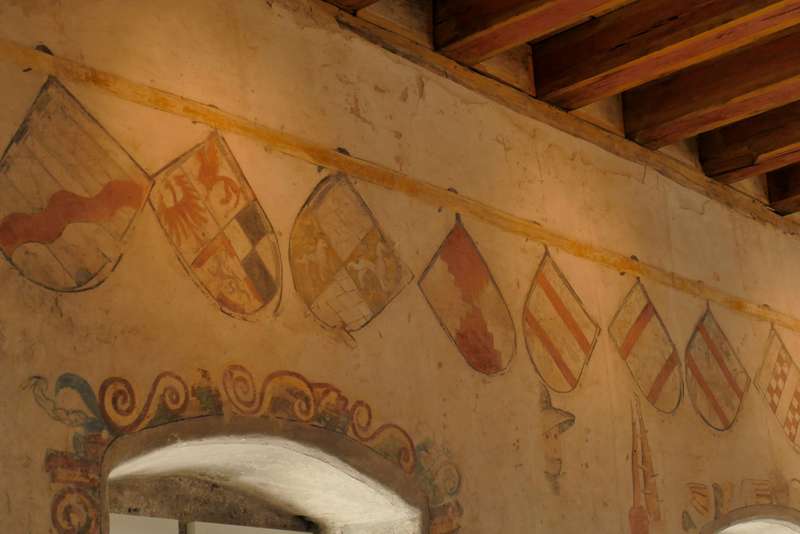
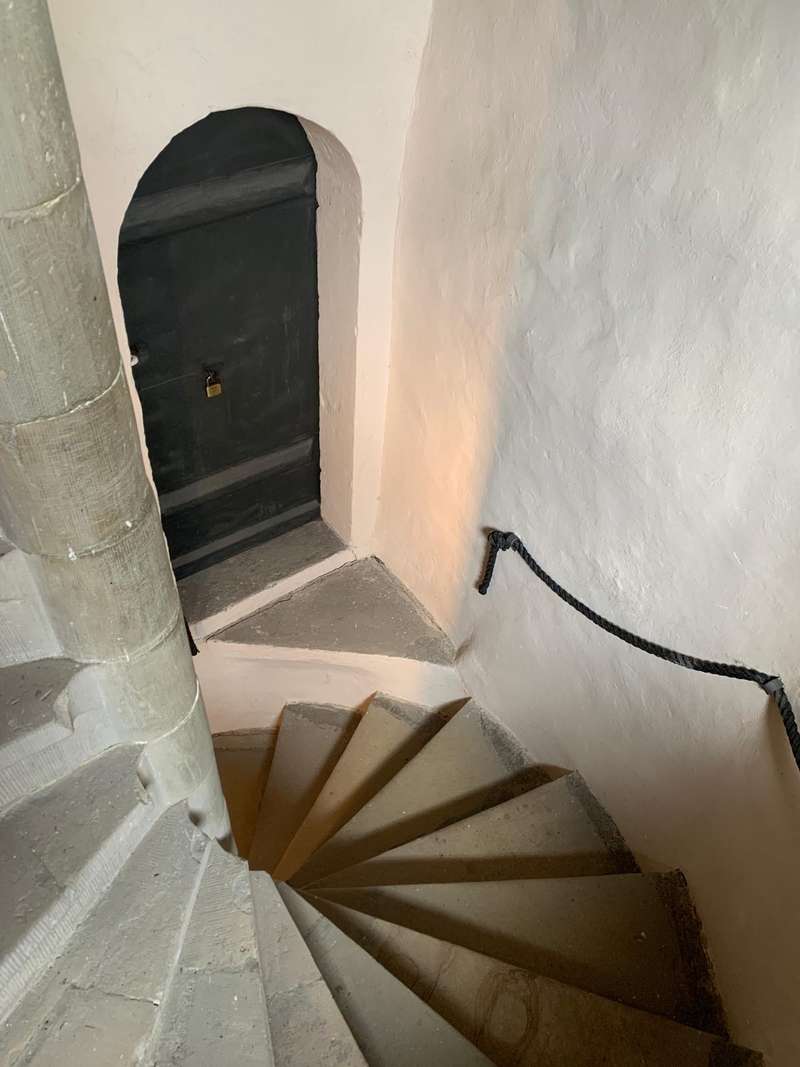
Yet the town hall was not only a courthouse. It was also a place of public life and symbolism. The coats of arms inside the building still bear witness to the landowners and the people who shaped this place over the centuries. There are also many small stories and legends surrounding the building. One tale says that the beams of the council chamber once began to bend – whether due to structural problems, flooding, or perhaps one glass of wine too many remains unknown to this day. Particularly striking are the open staircase with its intricate Gothic tracery and the distinctive oriel turret topped with an onion dome, which was added later. The marketplace in front of the town hall became the center of local life at an early stage.
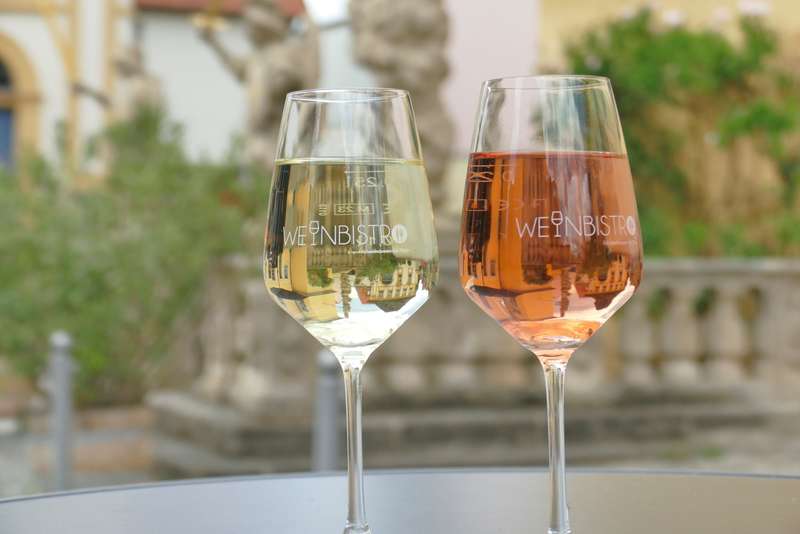
As far back as 1406, Frickenhausen was granted market rights and allowed to hold two market days – an important step toward prosperity and development. Merchants, townspeople, and travelers gathered here to trade goods and stories, and no doubt to enjoy a glass or two of Franconian wine as well. To this day, the Old Town Hall remains a lively part of Frickenhausen and, above all, a piece of Franconian history. And perhaps, if one listens closely enough, a faint echo from centuries past can still be heard.